



Join us Oct 5–7 at Wonder Valley Camp for the MSM Mission Retreat! Grades 6–12 will learn to "Experience God" with teaching from David B., grow through team-building, and complete hands-on service projects to impact the camp long-term.
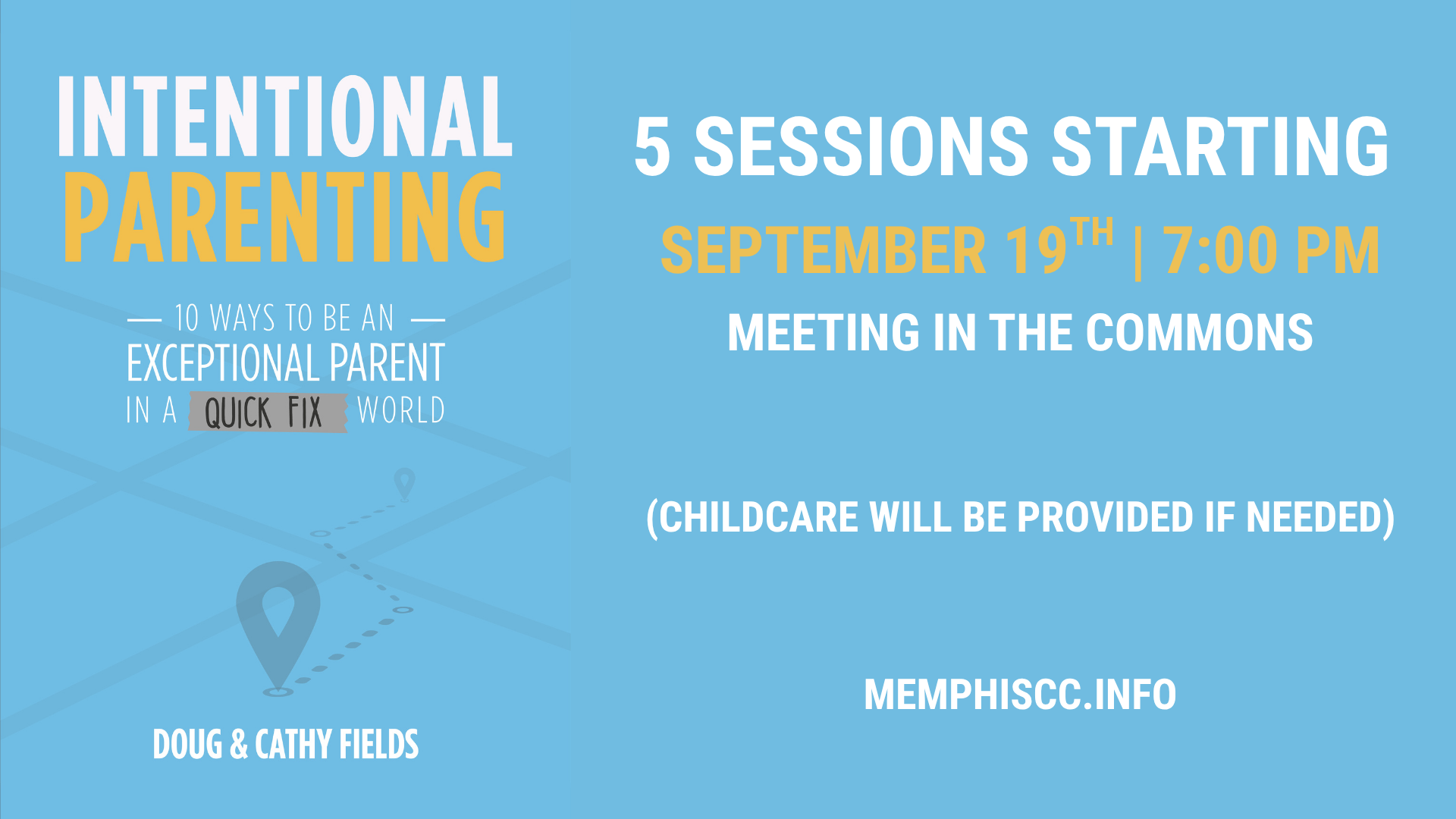
What you do as a parent or caregiver every day matters! Since your children didn't arrive with a "how to" manual, sometimes we resort to quick fix parenting. Spend 5 Saturday evenings with us as we navigate the landmines of parenting with an intentional plan.

The Men of MCC invite you to join us on October 9th & 10th for some great food, teaching, fellowship, and activities at Wonder Valley Christian Camp in Salem.

This year's community Fall Festival will be on Saturday evening, October 25th. This is a great opportunity to love our community as more than 1,000 people will be on our property for trunk or treat, chili, hayrides, live shows, and more!
There is still a need for over 50 Team Members to be on the front lines. Please consider signing up.THESE SPOTS GO QUICK SO DONT DELAYClick below to claim your spot today!

"PRAYER"
Key Scripture: Luke 11:1; Matthew 6:5-15
This weekend we turn to Matthew Chapter 6 and Luke Chapter 11 as we once again look at parallel passages concerning our certainty when it comes to prayer.
When it comes to your relationship with God, what is the most important aspect of that relationship? Those who first set out to follow Jesus, His disciples, they witnessed Him heal the sick, calm storms, feed thousands, cast out demons, and even raise the dead. Yet not once were they recorded as asking, "Lord, teach us to preach." "Lord, teach us to heal." Well, maybe once they asked, “why couldn’t we….” Luke, in his gospel, records only one request "One day Jesus was praying in a certain place. When he finished, one of his disciples said to him, 'Lord, teach us to pray...'" (Luke 11:1)
While every aspect of our relationship with God is important, there is one thing that connects us to the very heart of God and that is prayer.
Prayer is often one of the most misunderstood aspects of the Christian life. For some, it is a ritual, a practice. For others, it is reserved for emergencies or church leaders. Some view prayer as giving God a list of requests, while others avoid prayer altogether because they believe their prayers aren’t eloquent enough. Yet this is the one aspect of the early disciple’s relationship with Jesus that they wanted to know more about, that they insisted He teach them. How to pray. Why? Because they recognized that everything Jesus did publicly flowed from what He experienced privately with His Father. They saw that prayer was not simply something Jesus practiced. It was how He lived. Prayer is about relationship.
Jesus immediately answered their request by teaching what we commonly call “The Lord's Prayer” recorded for us here in Luke Chapter 11, but also Matthew Chapter 6. For the purpose of our sermon this weekend, we will look at Matthew’s account in Matthew Chapter 6.
In Matthew Chapter 6, Jesus says, “This, then, is how you should pray: ‘Our Father in Heaven, hallowed be your name.’” (Matthew 6:9) Prayer begins with acknowledging who we are speaking to. Not a distant ruler or an angry judge waiting for us to fail. Not an impersonal force but “Our Father”. God, who created galaxies, invites us to call Him Father because Jesus has made that relationship possible.
In the Old Testament, God was known by many different names. “Lord, God, Almighty, Creator, Redeemer, King, Shepherd, Rock, The Holy One” and most certainly “Father”. But the intimacy Jesus demonstrates is extraordinary. John records in Chapter 1, “Yet to all who did receive him, to those who believed in his name, he gave the right to become children of God.” (John 1:12).
Notice also that Jesus says "Our Father," not "My Father." Prayer reminds us that we belong to a family. Christianity was never intended to be lived in isolation. Even when we pray privately, we are connected to the body of Christ around the world.
"Hallowed be your name" reminds us that we approach Him confidently, yet with awe. We come before God not as strangers seeking an audience, but as beloved children welcomed into His presence. Prayer with God reflects whose child we are and whose glory matters most.
Earlier in verse 5 Jesus spent time correcting false ideas about prayer. He warned, "And when you pray, do not be like the hypocrites, for they love to pray standing in the synagogues and on the street corners to be seen by others." (Matthew 6:5a) Prayer is not performance or impressing people. Prayer is not carefully chosen words designed to sound spiritual. Jesus continued, "And when you pray, do not keep on babbling like pagans, for they think they will be heard because of their many words." (Matthew 6:7) Prayer is not earning His attention or informing God about what we believe is important at the moment. “Your heavenly Father already knows your needs before you ask Him.” (Matthew 6:8)
But that invites an important question. If God already knows what we need, does prayer change God's mind? God tells us in Malachi, "I the LORD do not change." (Malachi 3:6a) James describes God in the New Testament as One "...who does not change like shifting shadows." (James 1:17b) God's character never changes. His holiness never changes. His love never changes. His promises never change. Yet throughout Scripture we find examples where God responds to the prayers of His people. Moses interceded for Israel. Hezekiah prayed and received additional years of life. Nineveh repented, and judgment was delayed. So what does this mean? We touched on this last week. Prayer is dependence expressed. Prayer is aligning our lives with God’s will and plan.
Think about Jesus. In the Garden of Gethsemane He prayed, "Father, if you are willing, take this cup from me; yet not my will, but yours be done." (Luke 22:42) Did prayer remove the cross? No. Did it change the Father's plan? No. But prayer strengthened Jesus to walk faithfully through suffering. Prayer transformed His human struggle into surrendered obedience. How often have we prayed for God to remove a difficulty when He was preparing us to endure it? Sometimes we pray for changed circumstances. God desires changed hearts. Prayer changes fear into faith. Anxiety into peace. Pride into humility. Bitterness into forgiveness. Self-reliance into dependence. Which is where Jesus leads us to next. “Your kingdom come, your will be done on earth as it is in heaven.” (Matthew 6:10)
This is perhaps the greatest test of our relationship with God. Many of us naturally begin prayer by asking God to bless our plans. Jesus teaches us to surrender to His. Prayer is not primarily about convincing God to adopt our agenda. Prayer is about allowing God to shape ours. The kingdom of God represents His reign and authority. When we pray, "Your kingdom come," we are asking that His rule become increasingly evident in our own lives, our families, our church, and our world. Likewise, "Your will be done" is not resignation or giving up, but trust. Jesus Himself prayed these words in Gethsemane. "Yet not as I will, but as you will." (Matthew 26:39b) Prayer trains our hearts to trust that God's wisdom is greater than ours. The healthiest relationships involve trust. Prayer teaches us to trust God's heart even when we do not understand His plans. Which leads us to, “Give us today our daily bread” (Matthew 6:11) Jesus doesn’t say, "Give us enough bread for the next ten years." He says, "Give us today." Prayer expresses our daily dependence on God. (I’ve thought back a lot to our project here and how we began the project with $300,000 trusting that God would provide as we moved forward) Bread represents far more than food. It includes everything necessary for faithful living: physical provision, emotional strength, wisdom, peace, opportunities, relationships, spiritual nourishment. “Daily bread” reminds Israel of the manna God provided in the wilderness. They couldn’t store it for tomorrow. Every morning required fresh dependence. In the same way, our relationship with God cannot live on yesterday's faith. Yesterday's prayer cannot sustain today's temptations. Yesterday's worship cannot replace today's fellowship. God desires fresh dependence every day. Think about it this way, “Prayer is daily dependence, not occasional desperation.”
Jesus continues with, "Forgive us our debts, as we also have forgiven our debtors.” (Matthew 6:12) Christ followers still occasionally sin and sin brings separation. Jesus is teaching us that prayer restores fellowship. Jesus isn’t teaching believers to seek salvation repeatedly. Rather, prayer maintains close fellowship with the Father through ongoing confession. As John reminds us, "If we confess our sins, he is faithful and just and will forgive us our sins and purify us from all unrighteousness." (1 John 1:9)
But notice, Jesus then immediately connects receiving forgiveness with extending forgiveness. Those who have experienced God's mercy become people who show mercy. Nothing damages relationships faster than unforgiveness. Nothing restores relationships faster than grace. Prayer softens our hearts before bitterness can take root.
Whether it is bitterness, unconfessed sin, uncontrolled anger, falsehood or dishonesty – these can grieve God’s Spirit living inside of us and interrupt our relationship and prayer. We are reminded, “In the same way, the Spirit helps us in our weakness. We do not know what we ought to pray for, but the Spirit himself intercedes for us through wordless groans.” (Romans 8:26)
"And lead us not into temptation, but deliver us from the evil one." (Matthew 6:13) Notice Jesus doesn’t say, "Help me after I've fallen." Instead, He teaches us, "Lead me away from what will cause me to fall." Prayer develops spiritual awareness. It reminds us that we cannot overcome temptation by willpower alone. We need God's strength. Prayer is preparation for difficult moments and spiritual protection before they arrive. The Psalmist wrote: “I have hidden your word in my heart that I might not sin against you.” (Psalm 119:11) Paul writes, "Be strong in the Lord and in his mighty power." (Ephesians 6:10) Prayer is how we consciously place ourselves under God's leadership every day. As we pray, God shapes our desires, sharpens our discernment, and strengthens our obedience. Prayer equips us to walk faithfully with God in a world full of temptation.
This also means that prayer involves good listening. God reminds us in Psalm 46 "Be still, and know that I am God." (Psalm 46:10a) Stillness is difficult. We live in a noisy world. Phones buzz. Social media notifies. Schedules fill every moment. Yet God often speaks in quietness through His Word illuminated by His Spirit.
Recently at a leadership meeting someone said, “May I share my opinion about something?” and I responded, “Please don’t.” We went on to talk about how we need to be focused more on what God’s Word is speaking about a subject than our opinion about a subject? What does God’s Word say about relationship, roles, sexuality, patience, forgiveness, baptism, the Holy Spirit? In the same way, prayer without scripture simply becomes information.
Together scripture and prayer bring transformation. The early church recognized this. In Acts we read, “They (the church) devoted themselves to the apostles’ teaching and to fellowship, to the breaking of bread and to prayer.” (Acts 2:42) Not occasionally. Not when convenient. But verse 46 says “every day” they devoted themselves. When persecution came... They prayed. When leaders needed wisdom... They prayed. When Peter was imprisoned... They prayed. Prayer wasn’t the last resort. Prayer was their first response.
Prayer is the heartbeat of the believer’s life. Imagine what would happen if every aspect of our life began with prayer. Moms and Dads praying before making major decisions. Students seeking God’s Word about their life instead of Chat Gpt or Social Media. Imagine beginning each morning by acknowledging God. Before reaching for your phone, reach for your Father. Before reading headlines, review His promises. Throughout the day, thank Him. Confessing quickly and taking responsibility when we sin. Praying before difficult conversations. Ending each evening reviewing God's faithfulness. Not because we have to. Because we get to. Paul writes, "Pray continually." (1 Thessalonians 5:17) Live with continual awareness of God's presence, provision, protection, purpose.
Many people wonder where to start with prayer. Jesus says “start right here.” “Our Father in heaven, hallowed be your name. Your kingdom come, your will be done, on earth as it is in heaven. Give us this today our daily bread. And forgive us our debts, as we also have forgiven our debtors. And lead us not into temptation, but deliver us from the evil one.” (Matthew 6:9-13)
Last weekend we put our prayers into writing as we asked God to provide what is needed as we take our next step. Today I invite you to take that next step by praying where you are, out loud, just you and God. Access to God is available only through Jesus Christ. Receive Him as Savior and Lord of your life today. Dave